
Parts of a Coffee Maker: Complete Beginner’s Guide
Parts of a Coffee Maker: Complete Beginner’s Guide
For many of us, the coffee maker is the first machine we touch in the morning. But have you ever wondered what’s going on inside? From heating water to dripping over coffee grounds, every single part of a coffee maker works together to create that perfect cup.
Understanding the parts of a coffee maker is not only helpful if you plan to buy a new machine, but also if you want to maintain the one you already have. When you know each part, you’ll make better choices, fix problems quickly, and get consistently good coffee.
This guide breaks down each component, explains its role, shares pros and cons, answers FAQs, and gives you a clear view of what to look for when buying or maintaining a coffee maker.
Main Parts of a Coffee Maker
Water Reservoir
The reservoir is where you pour water before brewing. Depending on the model, it may be removable or built-in. Large machines usually hold enough water for 10–12 cups, while single-serve models are designed for one cup at a time.
Why it matters: A bigger reservoir is convenient for families, but single-serve tanks keep water fresh. If water sits too long, it can develop a stale taste.
Filter Basket
This is the part where ground coffee is placed. Traditional drip coffee makers use either paper filters or a reusable mesh filter.

Paper filters trap more oils, giving a clean taste.
Reusable filters save money and are eco-friendly, but they allow more oils into your brew, which some people prefer.
Heating Element
Hidden underneath, the heating element is the heart of the machine. It heats water to the ideal brewing temperature (195–205°F). Without it, your coffee would taste weak or sour.
Tip: If coffee takes too long to brew or tastes lukewarm, the heating element may be failing.
Shower Head or Drip Tube
Once water is heated, it travels up a tube and sprays evenly over the coffee grounds. This process, often called “showering,” ensures proper extraction of flavors..
Carafe
The container that holds your brewed coffee. Glass carafes are common and sit on a warming plate, while thermal carafes keep coffee hot for hours without added heat.
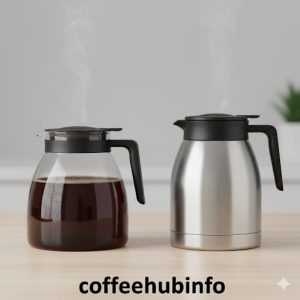
Glass carafe: Affordable, visible, but relies on hot plate.
Thermal carafe: More expensive, but keeps coffee fresher.
Hot Plate
If your machine has a glass carafe, it sits on a hot plate. This keeps coffee warm, but if left too long, it can give coffee a burnt taste.
Optional and Advanced Parts
Built-in Grinder
Some machines include grinders, letting you brew with freshly ground beans.
Pros: Fresher taste, convenient.
Cons: Louder, harder to clean.
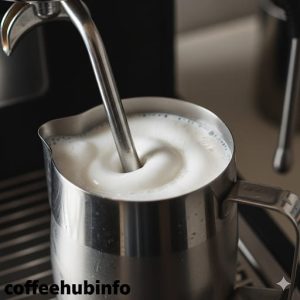
Milk Frother or Steam Wand
Espresso machines often include a frother for cappuccinos, lattes, and macchiatos.
Control Panel or Display
Modern coffee makers often come with digital panels. You can set brew strength, timers, or even connect via apps.
Pump System (Espresso Machines)
Unlike drip machines, espresso makers use a pump to push water at high pressure (9 bars or more) through finely ground coffee. This creates the rich crema on top of espresso shots.
Why Knowing the Parts of a Coffee Maker Matters
- Easier maintenance and cleaning.
- Helps identify issues when a machine breaks.
- Lets you compare features before buying.
- Improves understanding of what affects taste.
Check out our guide: https://coffeehubinfo.com/miele-coffee-maker-review-features-pros-buying-guide/
Read: https://coffeehubinfo.com/how-to-make-soluble-coffee-easy-steps-for-a-perfect-cup/
Pros and Cons of Coffee Makers
Pros
- Quick and easy brewing every morning.
- Consistent flavor with minimal effort.
- Wide variety of models to choose from.
- Some include advanced features like grinders or timers.
Cons
- Cheaper models may break easily.
- Some parts (like heating elements) are hard to replace.
- Hot plates can make coffee taste burnt after a few hours.
- Machines with many features can be expensive and harder to clean.
FAQs About Coffee Maker Parts
Q1. How often should I replace the filter?
Paper filters: after each brew. Reusable filters: clean daily and replace every 6–12 months.
Q2. Do all coffee makers have pumps?
No. Pumps are mainly in espresso machines. Drip coffee makers use gravity.
Q3. Why does my coffee taste weak?
A failing heating element or uneven shower head spray may be the reason. Using too little coffee also makes it weak.
Q4. Can I buy replacement parts?
Yes, parts like carafes, filters, and water tanks are easy to find. Heating elements or internal wiring usually require professional repair.
Q5. Which carafe is better: glass or thermal?
Glass is budget-friendly and lets you see the coffee. Thermal carafes keep coffee hot longer without altering the taste.
Final Thoughts
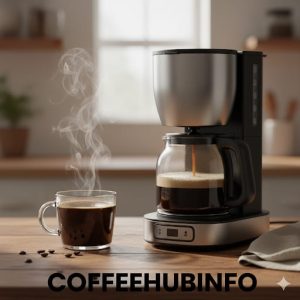
Your coffee maker might look simple, but it’s built from several key parts that all play a role in creating that perfect cup. From the water reservoir and heating element to optional extras like grinders and frothers, each part matters.
By understanding the parts of a coffee maker, you’ll not only brew better coffee but also take better care of your machine. Next time you sip your morning brew, you’ll know exactly how each piece worked together to make it.
Want recommendations? Check out: https://coffeehubinfo.com/espro-p3-french-press-review-2025-best-coffee-maker-for-small-kitchen/


