
What Are Decaf Coffee Beans? A Complete Guide for Coffee Lovers
What Are Decaf Coffee Beans?
“Decaf” stands for decaffeinated.
Decaf coffee beans are regular coffee beans that have had about 97% of their caffeine removed.
The goal is simple — you get the taste and aroma of coffee without most of the caffeine buzz.
People choose decaf for different reasons — sensitivity to caffeine, health issues like anxiety or insomnia, or just to enjoy coffee later in the day without disturbing sleep.
learn how decaf coffee differs from commercial coffee- https://coffeehubinfo.com/what-is-a-commercial-coffee-grinder-simple-guide-for-beginners/
How Are Decaf Coffee Beans Made?
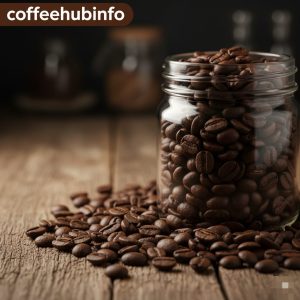
Decaffeination doesn’t happen after roasting; it starts with green (unroasted) beans.
Several methods are used to remove caffeine while keeping the flavor as intact as possible.
1. The Swiss Water Process
This is one of the most natural and chemical-free methods.
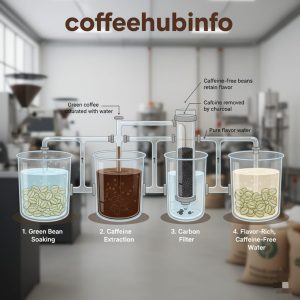
Green coffee beans are soaked in hot water, allowing caffeine and flavor compounds to dissolve.
The caffeine is then filtered out using activated charcoal, and the flavor-rich water (called Green Coffee Extract) is used again to soak a new batch of beans.
The result: chemical-free decaf coffee.
2. The CO₂ Process
Here, carbon dioxide is used under high pressure to pull caffeine from the beans.
This method is efficient, preserves taste very well, and is often used by premium brands.
3. The Solvent-Based Process
Beans are treated with natural or synthetic solvents like ethyl acetate or methylene chloride.
After the caffeine is dissolved, the solvent is evaporated.
Though safe within food standards, some people prefer solvent-free methods.
Each method affects the final flavor slightly, so not all decaf coffees taste the same.
brewing decaf coffee with a copper kettle- https://coffeehubinfo.com/copper-kettle-coffee-bar-a-warm-blend-of-rustic-design-and-perfect-coffee-moments/
Is Decaf Coffee Completely Caffeine-Free?
Not quite.
Even after processing, decaf coffee still contains about 2–3 mg of caffeine per cup, compared to 70–140 mg in regular coffee.
It’s a very small amount, but if you’re extremely sensitive to caffeine, it can still matter.
Decaf vs Regular Coffee – What’s the Difference?
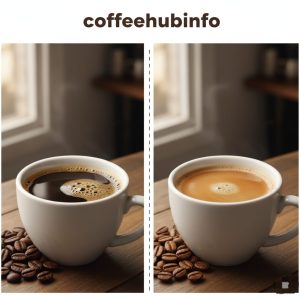
Let’s compare the two side by side.
Regular Coffee
- Caffeine Content: 70–140 mg per cup.
- Taste: Stronger, sometimes bitter.
- Health Impact: Boosts alertness, may raise anxiety.
- Best For: Morning energy boost.
Decaf Coffee
- Caffeine Content: 2–3 mg per cup.
- Taste: Milder, smoother.
- Health Impact: Gentle on nerves, heart-friendly.
- Best For: Evening relaxation or caffeine-sensitive people.
So if you love the coffee ritual but not the sleepless nights — decaf is your friend.
Benefits of Decaf Coffee
Decaf coffee isn’t just a weaker version of the real thing.
It carries several benefits that many overlook.
1. Better Sleep and Less Anxiety
Without the caffeine rush, your nervous system stays calm.
You can enjoy your favorite brew at night without tossing in bed.
2. Gentle on Heart and Blood Pressure
For people with high blood pressure or heart sensitivity, decaf reduces the risk of caffeine-related spikes.
3. Rich in Antioxidants
Even after decaffeination, decaf coffee keeps most of its polyphenols and antioxidants, which help reduce cell damage and inflammation.
4. Lower Risk of Certain Diseases
Some studies show that drinking decaf coffee may help reduce risks of Type 2 diabetes, liver problems, and even early aging signs — though more research is ongoing.
Possible Downsides of Decaf Coffee
No drink is perfect.
Here’s what you should keep in mind:
1. Slightly altered flavor:
Some decaf beans taste flatter because a small part of the flavor compounds can be lost during processing.
2. Chemical residues (rare):
If solvents are used, trace amounts might remain — though modern regulations make them safe.
3. Less stimulant effect:
For those who love the “kick” of caffeine, decaf won’t give that energy boost.
If you want the cleanest version, go for Swiss Water Process decaf — usually labeled on the package.
Who Should Drink Decaf Coffee?
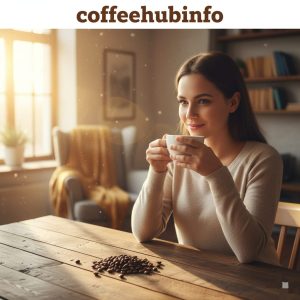
Decaf is a good choice for:
- People with anxiety, insomnia, or caffeine sensitivity
- Pregnant women (as recommended by doctors)
- Those with high blood pressure or heart conditions
- Anyone who wants a cup of coffee after dinner without losing sleep
It’s also great for casual coffee lovers who drink several cups a day and want to cut down on caffeine intake.
enjoy decaf with half and half coffee creamer- https://coffeehubinfo.com/half-and-half-coffee-creamer-what-it-is-how-to-use-it-and-why-people-love-it/
How to Choose the Best Decaf Coffee Beans
When buying, check for these:
1. Decaffeination Method: Look for “Swiss Water Process” or “CO₂ Process.”
2. Bean Type: Arabica beans usually have better flavor balance than Robusta.
3. Roast Level: Medium roast often retains the best aroma.
4. Freshness: Always check roast date and airtight packaging.
FAQs About Decaf Coffee Beans
Q1: Does decaf taste the same as regular coffee?
Almost — though decaf often tastes a bit smoother and less bitter.
Q2: Is decaf coffee healthy?
Yes, especially for those avoiding caffeine. It still contains antioxidants and nutrients.
Q3: Can kids or pregnant women drink decaf coffee?
Yes, in moderation. Always check with a doctor for specific health conditions.
Q4: Is decaf coffee natural?
Yes — most decaf methods use water or CO₂. Some cheaper ones use food-safe solvents.
Q5: Can decaf coffee help with acid reflux?
It can. Because it’s lower in caffeine and acids, it’s easier on the stomach.
Final Thoughts
Decaf coffee beans give you the comfort of coffee without the caffeine chaos.
They’re a calm alternative for anyone who loves the ritual of brewing but doesn’t want jitters, anxiety, or sleepless nights.
Whether you pick a water-processed or CO₂ decaf, go for freshly roasted beans and store them properly to keep the flavor rich.
Decaf isn’t a compromise — it’s just another way to enjoy coffee on your own terms. ☕


