Why Does Coffee Make Me Tired with ADHD? [Complete Guide]
Why Does Coffee Make Me Tired with ADHD?
Most people drink coffee to feel energized, alert, and ready to take on the day. But if you have ADHD, coffee might do the opposite—it can leave you feeling more tired, foggy, or even calm to the point of sleepiness.
If you’ve asked yourself “why does coffee make me tired adhd?”—you’re not alone. This article will explain the science behind it, real reasons it happens, and practical tips to manage coffee intake if you live with ADHD.
How Caffeine Normally Works
Caffeine is one of the most common stimulants in the world. Here’s how it usually works in the brain:
Blocks adenosine: Adenosine is a brain chemical that makes you feel sleepy. Caffeine blocks its receptors, so you stay awake.
Boosts dopamine and norepinephrine: These neurotransmitters help you focus, feel motivated, and stay alert.
Increases energy short-term: That’s why most people feel a “kick” after drinking coffee.
For the average person, coffee = energy. But with ADHD, things don’t always follow the same rule.

ADHD and Brain Chemistry
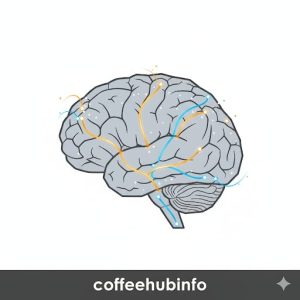
- ADHD brains work differently. A key difference is lower baseline levels of dopamine, the neurotransmitter linked with motivation, focus, and reward.
- People with ADHD seek stimulation because their brain is under-stimulated.
- This is why tasks may feel boring or focus slips easily.
- Stimulants (like ADHD medication) increase dopamine, which helps balance focus.
- Caffeine also impacts dopamine, but the effect is unpredictable. For some ADHD brains, it helps. For others, it backfires.
Best Coffee Maker for Home Use –https://coffeehubinfo.com/espro-p3-french-press-review-2025-best-coffee-maker-for-small-kitchen/
Why Does Coffee Make Me Tired with ADHD?
Here are the main reasons coffee can make someone with ADHD feel more tired instead of awake:
The Rebound Effect
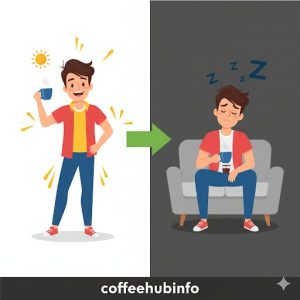
Coffee first gives you a boost, but when it wears off, your energy can drop suddenly. ADHD brains may feel this crash more strongly because they already struggle with regulating neurotransmitters.
Stimulant Overlap
If you’re taking ADHD medication (like Adderall or Ritalin), caffeine might compete or overload your nervous system. Instead of more focus, it can leave you drained, jittery, or mentally foggy.
Sleep Disruption
ADHD and sleep don’t always get along. Add caffeine—especially late in the day—and your sleep quality gets worse. Poor sleep = feeling more tired, no matter how much coffee you drink.
Individual Sensitivity
Not everyone responds the same. Some ADHD brains experience a calming effect from stimulants, which can actually feel like drowsiness. What wakes others up might put you down.

Pros and Cons of Coffee for ADHD
Like most things, coffee has both benefits and drawbacks.
Pros
- Temporary focus boost: Can slightly improve attention in some people with ADHD.
- Increases dopamine short-term: Helps motivation for certain tasks.
- Comfort and routine: A coffee ritual can feel grounding and predictable.
- Alternative option: For mild ADHD symptoms, coffee may provide some relief without medication.
Cons
- Causes tiredness: Instead of stimulation, it may trigger fatigue.
- Disrupts sleep: ADHD brains already struggle with sleep regulation.
- Can raise anxiety: Leads to racing heart, jitteriness, or mood swings.
- Builds tolerance quickly: You need more coffee for the same effect.
- May clash with meds: Mixing with stimulant medication can reduce benefits or cause side effects.
Signs Coffee Is Making You More Tired
- You feel sleepy soon after finishing your cup.
- Focus gets worse instead of better.
- Mood swings or irritability increase.
- Sleep quality drops even when you feel exhausted.
What You Can Do If Coffee Makes You Tired with ADHD
If coffee isn’t helping, you don’t need to quit cold turkey. Small adjustments can make a big difference.
Change Timing and Amount
Limit coffee to mornings. One smaller cup may work better than three big ones.
Try Decaf or Tea
Decaf or green tea still give a ritual and mild stimulation without the heavy crash.
Improve Sleep Hygiene
Set consistent bedtimes, reduce screens before sleep, and cut caffeine at least 6–8 hours before bed.
Check with Your Doctor
If you’re on ADHD medication, ask your doctor about possible interactions with caffeine. Sometimes adjusting timing helps.
Is Decaf Coffee Good or Bad for You? Here’s the Answer-https://coffeehubinfo.com/miele-coffee-maker-review-features-pros-buying-guide/

FAQs About Coffee and ADHD
Q1: Does caffeine help ADHD?
Sometimes. Caffeine can increase dopamine slightly, improving attention and motivation. But the effect is weaker and less reliable than ADHD medication.
Q2: Why do I feel calm or sleepy after coffee?
Because ADHD brains may react differently to stimulants. Instead of being activated, the brain calms down—sometimes so much that it feels like drowsiness.
Q3: Is coffee bad for ADHD?
Not always. For some, moderate coffee is helpful. For others, it worsens sleep, anxiety, or tiredness. It depends on your individual response.
Q4: Can coffee replace ADHD medication?
No. Coffee is not a substitute for ADHD treatment. It may give a mild focus boost, but it cannot replace targeted medical support.
Q5: What’s the best way to drink coffee with ADHD?
- Stick to 1–2 cups max.
- Drink earlier in the day.
- Track how it affects sleep and focus.
- Try decaf or tea if coffee feels too heavy.
Final Thoughts
If you’ve been wondering “why does coffee make me tired adhd?”—the answer lies in your brain chemistry. Coffee doesn’t act the same for everyone, especially with ADHD. For some it’s helpful, for others it leads to fatigue, anxiety, or poor sleep.
The best approach is to observe your own body’s response. If coffee works for you, enjoy it mindfully. If it doesn’t, there are other ways—better sleep habits, tea, or professional ADHD treatment—that may serve you better.


